
One Simple Way to Improve Practice at Home
If you own a piano, you likely understand the joy it brings to your home. Whether it's your child learning their first song, a student preparing for a recital, or simply enjoying peaceful moments of music, your piano plays an important role. But one of the most overlooked aspects of piano ownership is regular tuning.
Many piano owners assume their instrument is "fine" if it still plays sound. However, just because a piano makes music doesn't mean it's in tune—or in good condition. In fact, an out-of-tune piano can actually make learning harder, affect motivation, and even cause long-term damage to the instrument.
Let's talk about why tuning your piano matters and when you should schedule it.
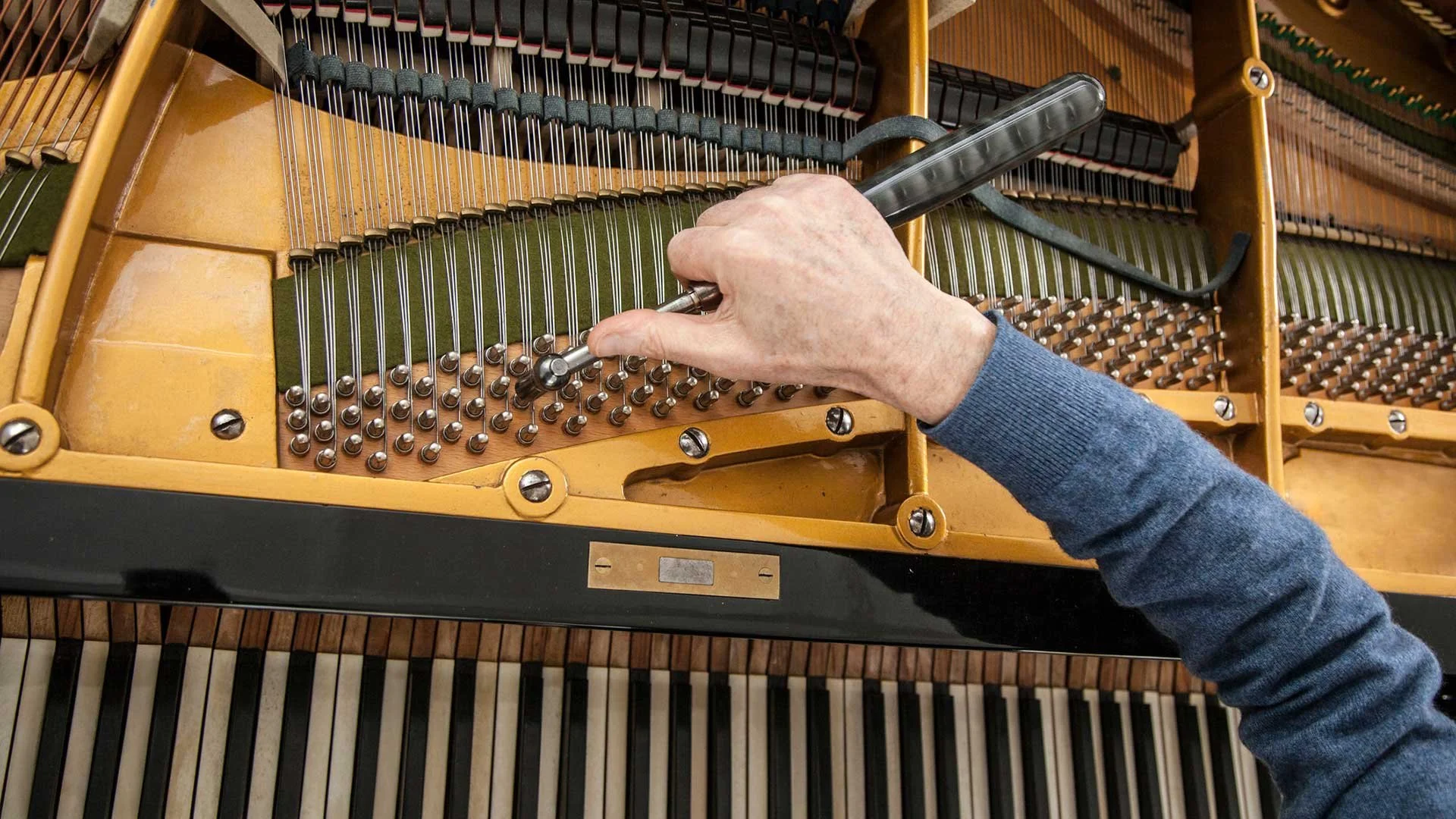
Why Do Pianos Go Out of Tune?
Pianos are incredibly complex instruments with over 200 strings and thousands of moving parts. These strings are under extreme tension—often totaling around 20 tons of pressure inside your piano.
Because of this:
Temperature changes affect string tension
Humidity changes affect the wood inside the piano
Moving the piano shifts internal components
Regular playing gradually alters tuning
Even if your piano isn't played often, it will still drift out of tune over time.
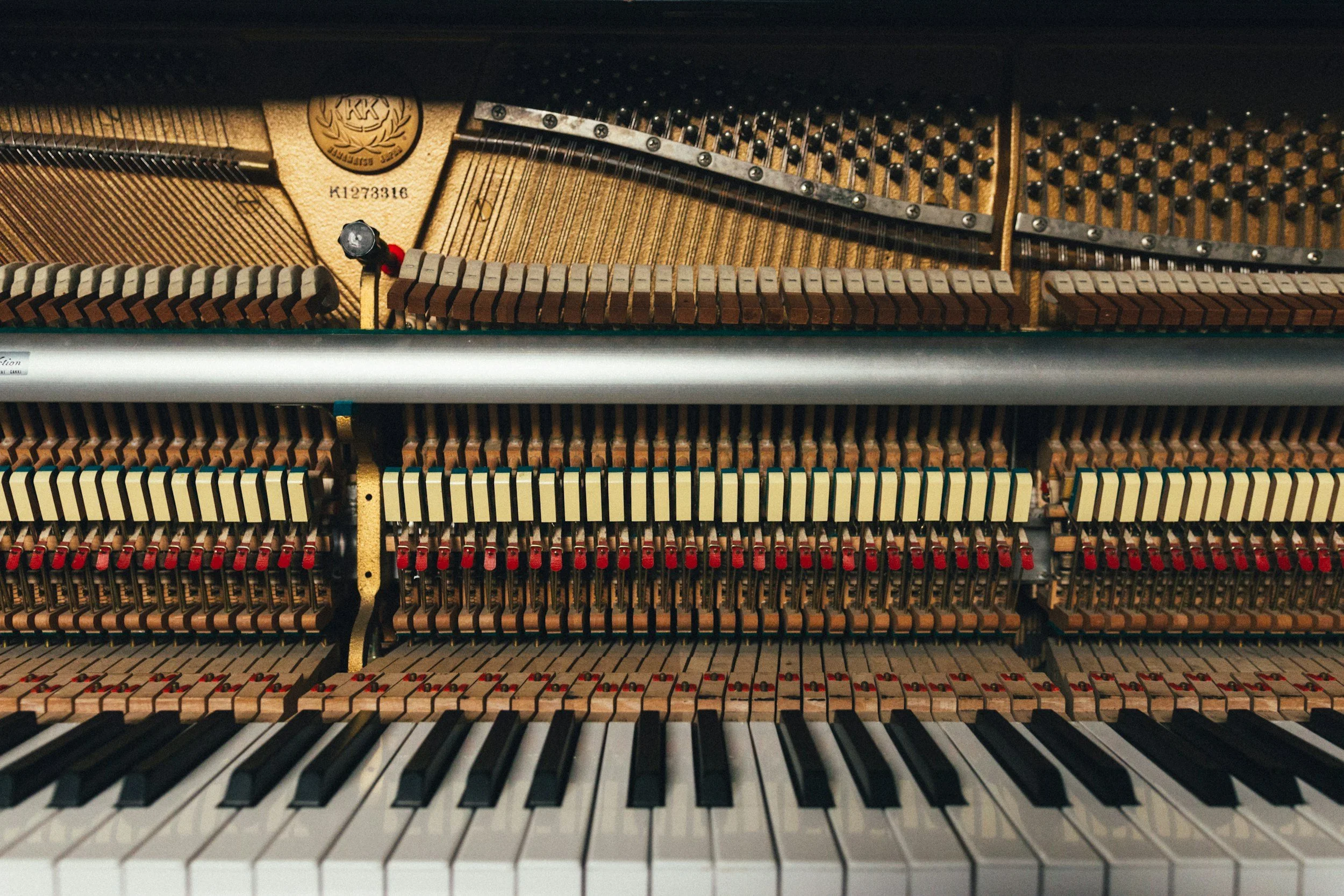
Why Tuning Matters
Helps Students Develop Proper Pitch
When a piano is out of tune, students are unknowingly training their ears incorrectly. This makes it harder for them to:
Recognize correct pitch
Play with other musicians
Sing in tune
Develop musical confidence
A well-tuned piano helps students build strong musical foundations from the start.
Makes Practice More Enjoyable
Let's be honest—an out-of-tune piano doesn't sound great. And when something doesn't sound good, it's less motivating to practice.
A freshly tuned piano:
Sounds brighter
Feels more responsive
Encourages longer practice sessions
Makes playing more enjoyable
Sometimes, simply tuning a piano can reignite a student's excitement to play again.
Protects Your Investment
Pianos are valuable instruments—often lasting decades (or even generations) when properly maintained.
Regular tuning helps:
Maintain sound quality
Prevent costly repairs
Extend the life of your piano
Maintain resale value
Skipping tuning for too long can make it more difficult and expensive to restore later.
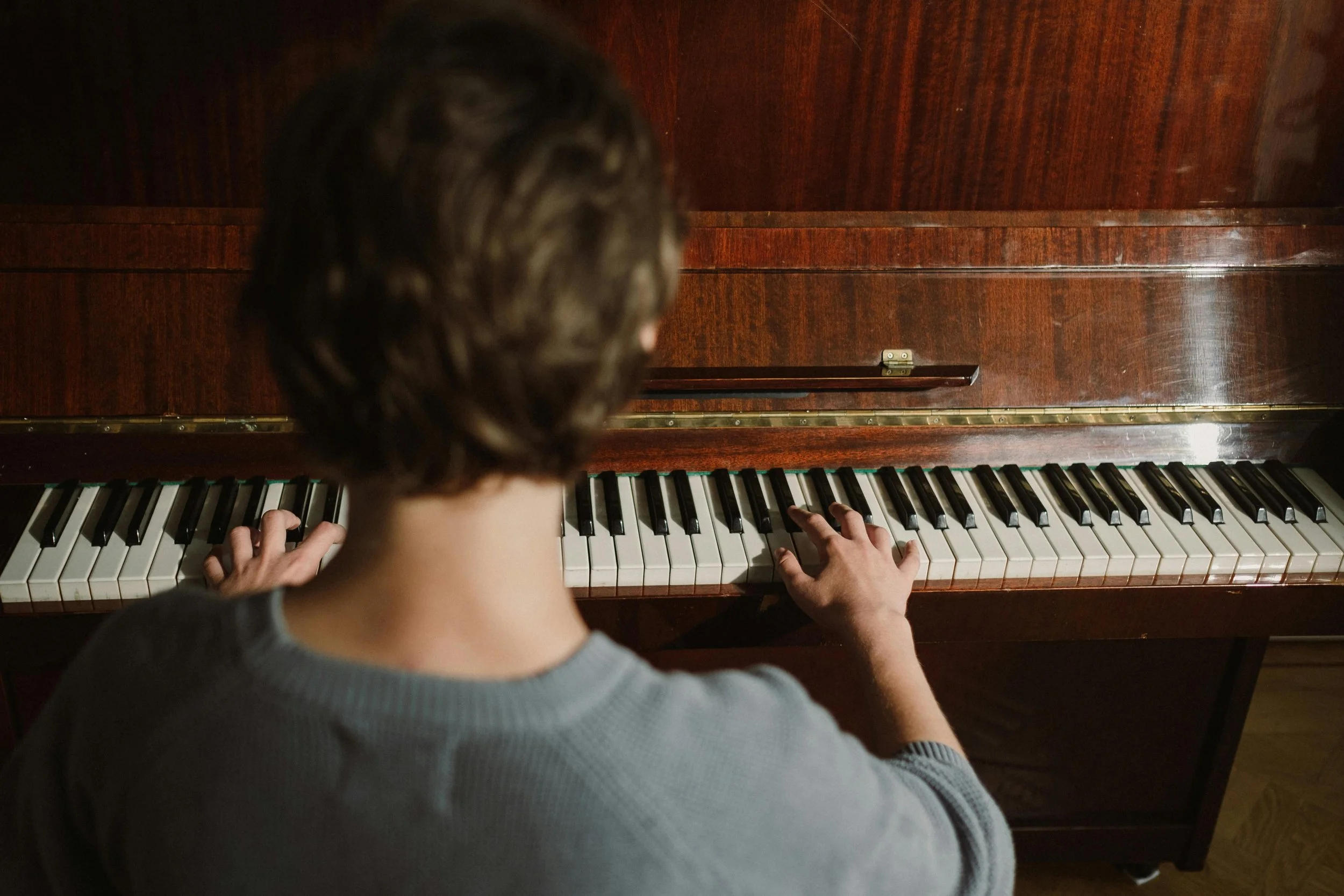
How Often Should You Tune Your Piano?
Most professionals recommend tuning:
🎹 At least once per year for casual players
🎹 Twice per year for students and regular players
🎹 After moving your piano
Even brand new pianos require more frequent tuning during their first year as the strings settle.
Signs Your Piano Needs Tuning
Not sure if it's time? Here are a few signs:
Notes sound "off" or unpleasant
Some keys sound different than others
Your child says "it doesn't sound right"
It's been over a year since your last tuning
The piano was recently moved
If you notice any of these, it's probably time to schedule a tuning.
Looking for a Local Piano Tuner?
We recommend:
Scott Brotzmann
Phone: 949-533-7216
He is trusted, experienced, and works with many of our students.
If you haven't tuned your piano recently, now is a great time. Your ears—and your piano—will thank you!